
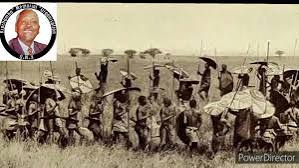
In the mid-1800s, the Kipsigis men, known as fierce warriors, asked their elders for permission to raid. They planned to traverse the River Siyabei. The raid occurred in the Gusii land present day Kisii county. After gaining approval from the elders, which was seen as a good sign, they embarked on the raid successfully, seizing cattle and women. This event further cemented their fearsome reputation, partly because they respected the spiritual prohibitions of their raids, fearing their deity, Ngolo/Chebongolo, who bestowed upon them wisdom and strength.
During this raid, however, some men from the Korongoro and Kaplelach age sets committed grave taboos, including killing the blind and setting fires, forcing women to accompany them with the stolen cattle. As they neared the Siyabei River, hungry from their journey, they slaughtered some cattle for food, planning to quench their thirst at the river. While eating, they saw smoke and sparks from the direction they had come and panicked, fearing pursuit. In their haste, they smeared the leftover meat with mud to prevent any pursuers from gaining strength from it, leaving the meat for the flies. Another taboo!
Near the river, the captured women refused to cross until their own men came to witness their plight, leading to a standstill. A Kipsigis man suggested they disregard the women’s pleas and remove the cultural bangles, Tabagonik and Raranaik, from the women by force, another serious taboo. They cruelly cut the limbs of the women to remove the bangles, then abandoned them to be preyed upon by wild animals.
As they washed the blood from the bangles, the men they had raided from appeared, horrified by the scene. Their leader admonished the Kipsigis, pointing out the dishonor in their actions and cursed their age set, predicting their failures in future raids. Despite the curse, the Kipsigis continued celebrating their raid as they returned home, oblivious to the disapproval awaiting them.
Upon arrival, their community was shocked by the disarray of the bangles and the evident taboos committed. The raid leader, greeted without the usual joy, expressed his disappointment in the taboos committed. He informed the community that a cleansing ceremony was necessary to avert impending doom, but the raiders, stubborn and dismissive, refused to participate in the cleansing.
Ignoring the elders’ refusal for another raid, the raiders planned to attack Mogori. Chemwaa, sent by the elders to advise caution, warned them against the raid after noticing ominous signs as they were followed by certain birds which were regarded bad omen( The birds were, Sanginok, Motongweg and Kaikotisiet), but his warnings were ignored. The raiders proceeded, splitting into groups with some returning early while others, led by Malabui, chose to stay overnight, ignoring Chemwaa’s advice to leave immediately after the raid.
This story not only recounts the historical bravery and strategic prowess of the Kipsigis but also reflects on the dire consequences of ignoring cultural taboos and spiritual guidance, emphasizing the importance of respecting elder wisdom and spiritual traditions to avoid downfall.
This is Part one of the story… I’m working on part two. Keep in touch with us!
+254717558214
The author of this story is me Nicholas Rop
The story was captured as narrated by the Legend and Kalenjin musician Kipchamba of Koilonget band.
https://drive.google.com/drive/folders/1dpSY4wyvJS1jJU6t_3TVmGxGpnMseWZy

 Mtu Kuzi
Leave a comment